
Table of Contents
Toggle️The Day Life Stopped
A wave of fear swept through the population, restricting people from meeting, roaming freely, gathering, and going on outings. On the evening of March 24, 2020, the Prime Minister declared a 21-day nationwide lockdown.
Suddenly, the fear for life was overtaken by the fear of survival. Many people lost their jobs overnight. Those living away from their hometowns began walking back, hoping to find free shelter — something cities rarely offer.
Two Friends, Two Outcomes
There were two friends, Ritesh and Ashish, working at a manufacturing firm. Both lost their jobs during the lockdown. Searching for work, they stayed a few days in Mumbai, but after multiple rejections, they returned home.
Two things always find you wherever you go — money and health.
Responsibilities hit them hard. Their commitments toward parents, spouses, and children made them restless.
Slowly, the situation started improving.
Ashish opened a modern trade store in his locality, seeing the demand for essentials. Within six months, his income matched what he earned in Mumbai.
But Ritesh’s story was different. For his daily essentials, he was in debt at 3–4% interest per month.
After a few months, one was full of life — earning well and living peacefully with his family.
The other was still at home but buried under debt.
That’s the power of savings.
It saves you when life hits you hard.
In such moments, the right word to remember is — “SAVE FOR EMERGENCY.”
What Is an Emergency Fund?
As the name suggests, emergencies are unplanned. No one anticipated the COVID-19 pandemic, yet it disrupted lives and finances worldwide.
Unexpected events like medical emergencies, job loss, accidents, or sudden car repairs can happen to anyone.
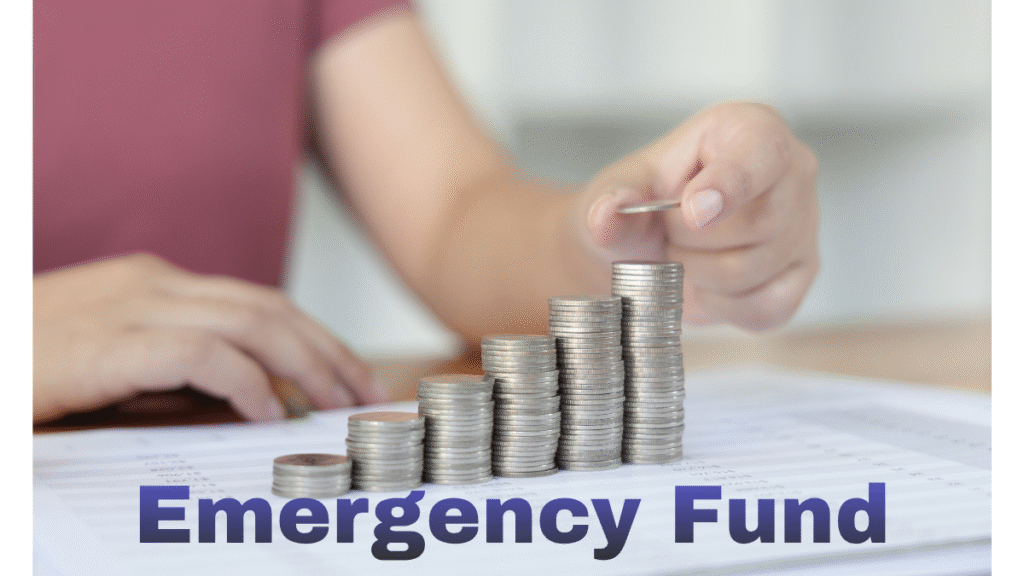
Setting aside a portion of your income for such situations creates your Emergency Fund — your first line of defense against financial stress.
Why You Need an Emergency Fund
In times of crisis, you might not have immediate access to regular savings or investments. That’s where an Emergency Fund plays a crucial role —
It not only acts as a financial safety net but also gives you the confidence and freedom to focus on long-term wealth creation.
How Much Should You Save?
A simple thumb rule:
3–6–9 Rule: Save an amount equal to 3, 6, or 9 months of your monthly expenses.
But the ideal amount depends on:
- Job stability
- Family dependents
- Existing loans or EMIs
If you’re the only earning member, aim for 6 months of expenses.
And with job uncertainty growing due to AI and automation, especially for those in their 50s, building up to a 2-year emergency fund can give you unmatched peace of mind.
Where Should You Keep Your Emergency Fund?
Your emergency fund should be:
- Easily accessible, and
- Not too tempting to spend casually.
Remember, the goal is safety and liquidity, not returns.
Here are smart places to park it:
- Flexi Fixed Deposit (FD): Low-risk, easy access, auto-sweep from savings.
- Multiple Small FDs: Easier partial withdrawals without penalties.
- Debt Mutual Funds: Slightly better post-tax returns, suitable for low-risk investors.
Avoid high-risk investments — chasing returns defeats the purpose of your emergency fund.
Conclusion
An Emergency Fund is your financial safety net — protecting you during job loss, medical emergencies, or sudden expenses.
- Save 3–6 months of expenses, or up to 2 years if your income is uncertain.
- Keep it liquid but slightly out of reach, using FDs or debt funds.
- Focus on safety over returns — start small, stay consistent, and grow gradually.
Because when life hits you hard —
your Emergency Fund hits back with stability and peace of mind. 💪